
Compress Images for Free Online The Ultimate Guide
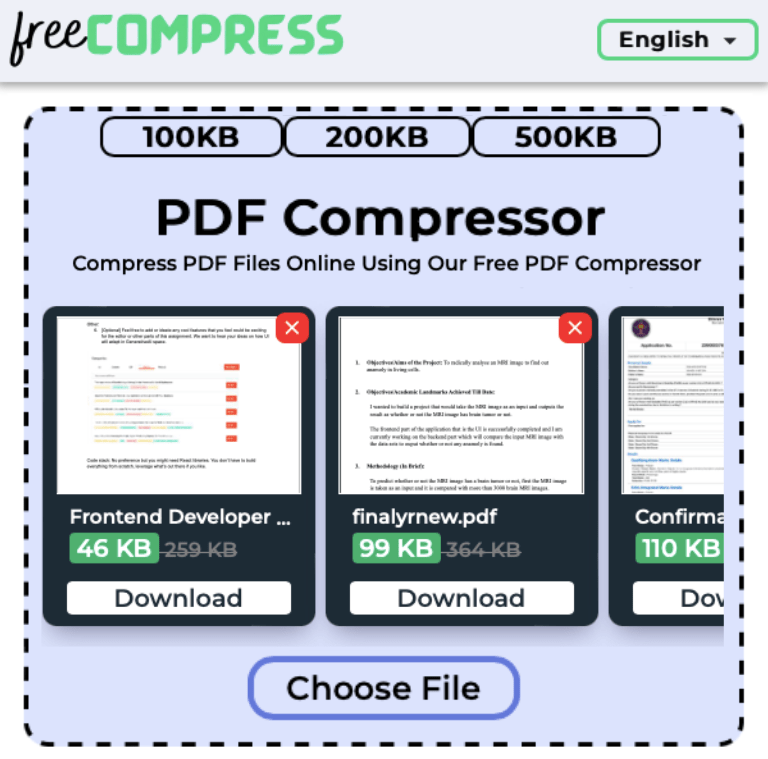
In today’s digital world, where high-resolution images are the norm, managing file sizes is more important than ever. Not only do large images consume excessive storage space, but they can also slow down website loading times, making it crucial to find a reliable way to compress image free online. This article provides an in-depth look at how to compress images effectively, the benefits of doing so, and introduces some of the best tools available online.
Why Compress Images?
Images are essential elements of most digital content, from websites to social media platforms. However, high-resolution images can be bulky, leading to longer loading times and potentially harming user experience. Compressing images can help mitigate these issues while maximizing quality. Here are some key reasons to compress images:
- Improved Load Times: Compressed images load faster, enhancing user experience and reducing bounce rates.
- Better SEO: Search engines prefer faster-loading sites. By improving your website’s speed, you can achieve higher rankings in search results.
- Reduced Bandwidth Usage: Smaller files mean less bandwidth is required, saving costs for both website owners and users.
- Easier Sharing: Compressed images are more manageable to share via email or social media without losing too much quality.
Understanding Image Formats
Before we delve into compression techniques, it’s essential to understand the various image formats commonly used on the web:
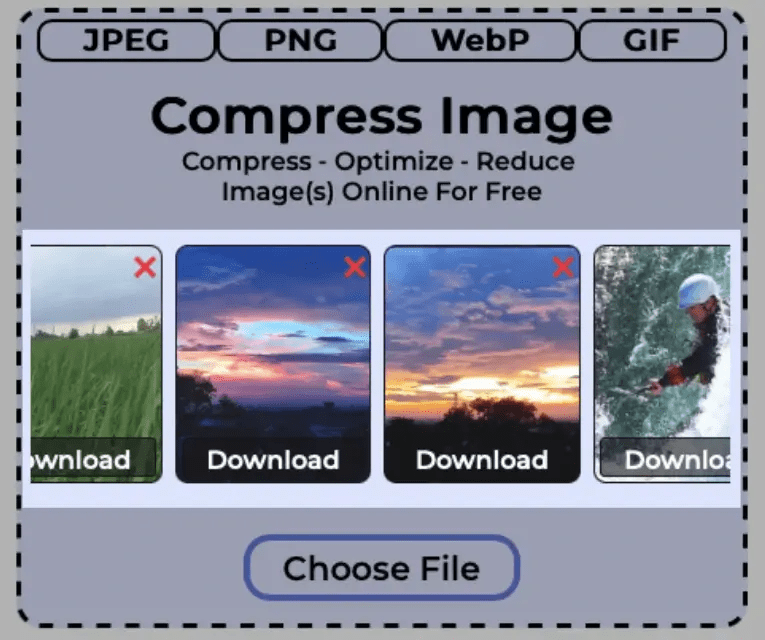
- JPEG: Ideal for photographs, JPEGs support high compression rates and maintain reasonable image quality.
- PNG: Best for images with transparency and simple graphics, PNGs typically have larger file sizes than JPEGs.
- GIF: Used mainly for simple animations, GIFs are limited to 256 colors and may not be suitable for complex images.
- WEBP: A modern format providing superior compression, WEBP files can significantly reduce image size while retaining quality.
How to Compress Images Online
Compressing images online is a straightforward process, and there are various tools available that make it effortless. Here’s a step-by-step guide to compress images using an online tool:
- Choose the Right Tool: Look for reputable online image compressors. Some popular options include TinyPNG, ImageResize.org, and Easy Converter.
- Upload Your Image: Most tools allow you to drag and drop images or upload them directly from your device or cloud storage.
- Select Compression Settings: Depending on the tool, you may have options for adjusting quality settings. Choose the level of compression that fits your needs best.
- Download the Compressed Image: Once the tool has processed your image, you can download the compressed version to your device.
Best Free Online Image Compression Tools
While numerous online tools can assist with image compression, here are some of the best options available:
1. TinyPNG
TinyPNG is a user-friendly tool known for effectively compressing PNG and JPEG images without visible loss in quality. You can upload up to 20 images at a time, and the maximum file size allowed is 5MB per image.
2. ImageResize.org
This tool not only allows you to compress images but also offers additional resizing options. Its simple interface makes it accessible, even for beginners.
3. JPEG-Optimizer
As the name suggests, JPEG-Optimizer specializes in JPEG images. It allows users to set a compression level and customize image dimensions.
4. CompressJPEG
CompressJPEG is straightforward, providing a drag-and-drop functionality with fast results. It also offers batch processing for multiple files.
5. Easy Converter
Easy Converter provides an effective platform for compressing various image formats. With an intuitive interface, it allows users to streamline their workflow easily.
Considerations When Compressing Images
While compressing images, there are several key factors to keep in mind:
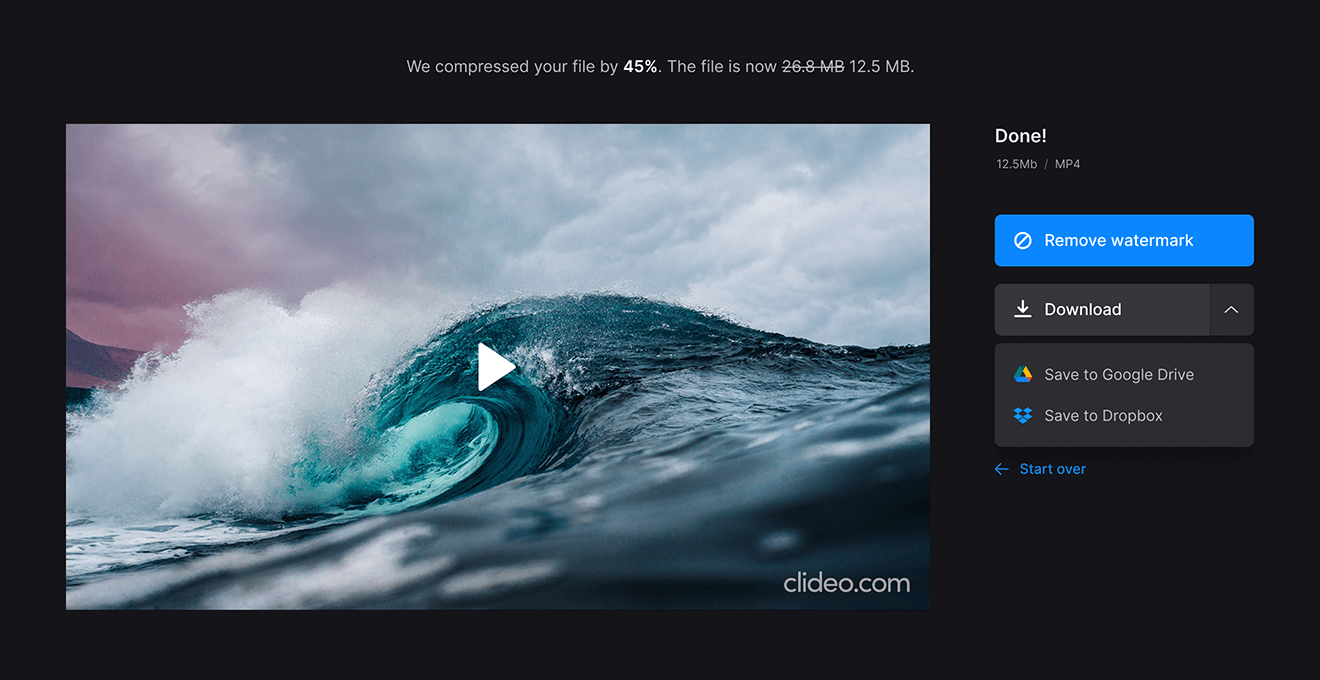
- Balance Quality and File Size: Aim for the best possible image quality while reducing file size. Over-compression can lead to pixelation.
- Preserve Original Files: Always keep a backup of your original images to revert any unwanted changes.
- Check Compatibility: Ensure the compressed images maintain compatibility across different devices and platforms.
The Future of Image Compression
As technology advances, image compression methods and tools continue to evolve. Emerging trends include:
- AI-Driven Compression: Utilizing artificial intelligence to optimize images and maintain quality while reducing size.
- Advanced Formats: Newer formats like AVIF and JPEG XL offer better compression rates and are becoming more widely adopted.
- Integrated Solutions: Many platforms are now integrating image compression directly into their services, streamlining workflow.
Conclusion
In conclusion, compressing images for free online is an essential task for anyone working with digital content today. By understanding the importance of image compression, selecting the right tools, and applying effective techniques, you can significantly improve loading times and overall user experience without sacrificing quality. Embrace the world of online compression tools and enjoy the myriad benefits they offer. Start compressing your images today to take your digital content to the next level!